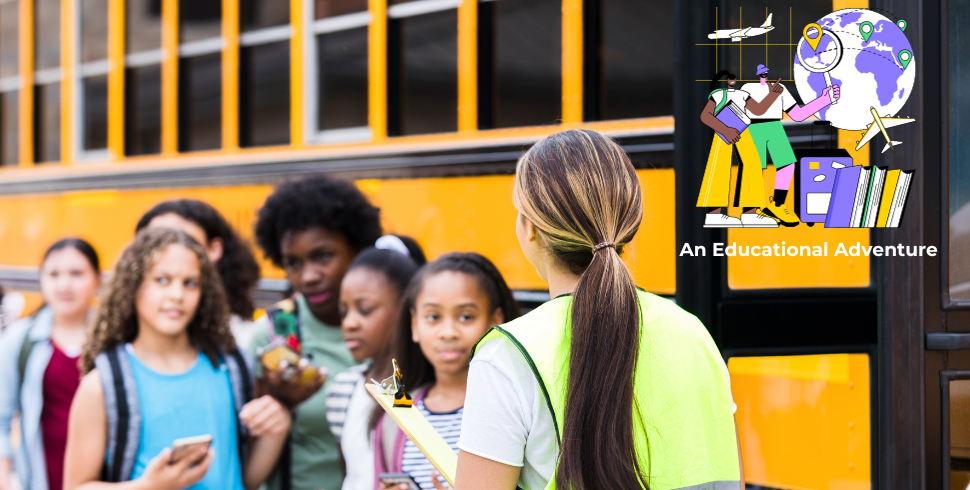
Educational trips can be a great way to boost student effort and expand their horizons. When students have the opportunity to experience new things in a real-world setting, they are more likely to be motivated to learn and grow.
How Educational Trips Can Boost Student Effort
There are a few reasons why educational trips can boost student effort. First, they can help students to see the relevance of their studies. When students see how what they are learning in the classroom can be applied to the real world, they are more likely to be motivated to do well.
Second, educational trips can help students to develop a sense of purpose. When students have the opportunity to make a difference in the world, they are more likely to be invested in their studies.
Third, educational trips can help students to develop a sense of accomplishment. When students are able to complete a challenging task or overcome an obstacle, they are more likely to be proud of their accomplishments and motivated to continue learning.
How Educational Trips Can Expand Student Horizons
Educational trips can also expand student horizons. When students are exposed to new cultures and perspectives, they are more likely to become open-minded and understanding of others.
In addition, educational trips can help students to develop critical thinking and problem-solving skills. When students are faced with new and unfamiliar situations, they need to be able to think on their feet and solve problems.
Finally, educational trips can help students to develop leadership skills. When students are given the opportunity to lead others, they are more likely to develop confidence and self-assurance.
Conclusion
Educational trips can be a valuable addition to any educational program. They can help students to boost their effort, expand their horizons, and develop the skills and knowledge they need to be successful in life.
Here are some tips for planning an educational trip that will boost student effort and expand their horizons:
- Choose a trip that is relevant to the students’ studies.
- Make sure the trip is challenging and engaging.
- Provide students with opportunities to reflect on their experiences.
- Follow up with students after the trip to discuss what they learned.